
Depression – when low mood persists
Depression is more than ordinary sadness. It is a mental health condition in which low mood, reduced energy or loss of pleasure and interest persist and significantly affect everyday life.
Depression can make it difficult to manage work or studies, engage in relationships and handle daily tasks. It can also affect thoughts, feelings, sleep, appetite and the ability to experience joy.
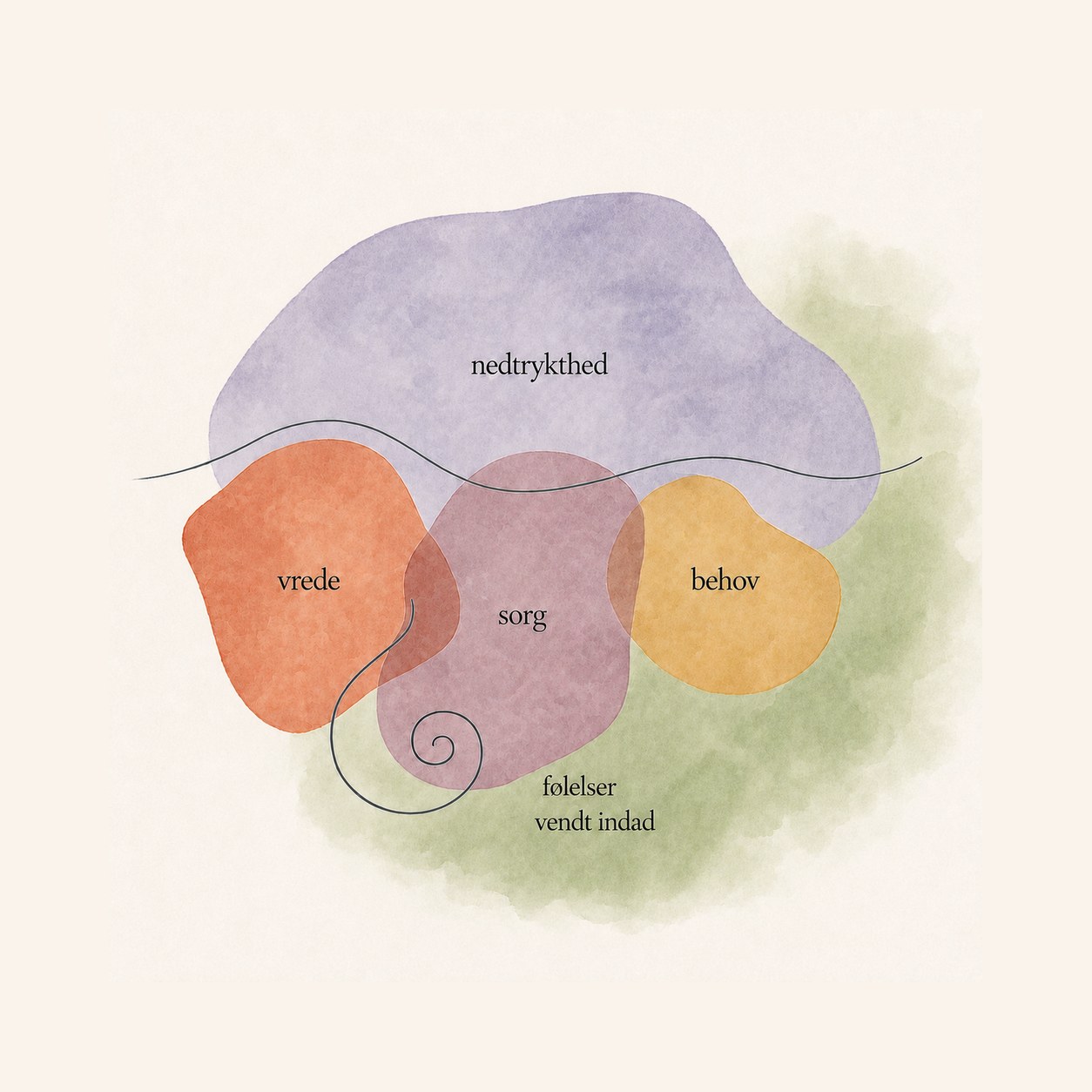
For some, the low mood can feel like a protective layer over anger, grief or needs that have been hard to make room for. Depression is more common in people with ADHD, and here it is often reactive: a reaction to the increased demands that come with life transitions, such as education, work, relationships or parenthood.
Typical Symptoms
Persistent Low Mood
Persistent sadness, emptiness, or feelings of despair.
Loss of Interest & Pleasure
Loss of joy in activities and interests you previously appreciated.
Sleep & Appetite Changes
Disrupted sleep patterns, altered appetite, or weight changes.
Low Energy & Fatigue
Sensation of exhaustion and everyday tasks requiring significantly more effort.
Difficulty Concentrating
Challenges with maintaining focus, remembering, and making everyday decisions.
Self-Criticism & Hopelessness
Negative thought patterns about yourself and the future take up substantial space.
Depression Affects the Whole Person
THOUGHTS
Self-criticism, hopelessness, and
negative interpretations.
BODY
Fatigue and changes
in sleep, appetite, and
physical agitation.
EMOTIONS
Sadness, emptiness,
guilt, or irritability.
BEHAVIOR
Withdrawal, reduced activity,
and fewer positive experiences.
THOUGHTS
Self-criticism, hopelessness, and negative interpretations.
BODY
Fatigue, along with changes in sleep, appetite, and physical restlessness.
EMOTIONS
Persistent sadness, emptiness, guilt, or irritability.
BEHAVIOR
Withdrawal, reduced activity, and fewer positive experiences.

It Can Vary From Person to Person
Symptoms Vary
Not everyone experiences it the same way or with the same intensity.
Life Stressors Play In
Stress, loss, physical health, and life changes can increase vulnerability.
Mind & Body Interconnected
Physical and emotional reactions interact continuously in reciprocal cycles.
Help Makes a Difference
Treatment and structured support can alleviate symptoms and strengthen resilience.
What Happens in the Brain?
Depression is associated with changes in neural networks and brain functioning that influence motivation, reward processing, concentration, and emotional regulation. Findings vary between individuals; there is no single monolithic “depression brain”.
During Depression
Attenuated or imbalanced signaling between emotional and attentional networks.
During Gradual Recovery
Restored plasticity and balanced connectivity across brain networks.
With effective treatment, neural activity and connectivity in affected brain networks can gradually normalize.
Biological, psychological, and social factors interact.
How is Depression Treated?
Treatment is individually tailored and guided by the severity and nature of the depression.
Psychotherapy
Talking therapy helps identify unhelpful patterns and create space for feelings that have been challenging to acknowledge or express.
Medication
Antidepressant medication can relieve core symptoms and restore capacity for daily life. Carefully evaluated and monitored.
Everyday Support
Supportive relationships, daily routine, sleep hygiene, gentle exercise, and meaningful activities bolster recovery.
For moderate to severe depression, combining psychotherapy and medical treatment is often most effective.
Small Steps Can Create Movement
You do not need to see the entire journey ahead. Treatment can begin with what is possible right now – understanding your patterns, making space for feelings, and gradually rediscovering calm and meaning.
Contact us→