

OCD treatment
(Obsessive-compulsive disorder)
OCD — obsessive-compulsive disorder — is characterised by recurring obsessions and/or compulsions, which can be very distressing and significantly affect everyday life.
At Nordisk Psykiatri we offer psychological and, if necessary, medical treatment of OCD for adults in Copenhagen — without a referral. Read also about medical treatment with a doctor with supervision from an affiliated psychiatrist.
What is OCD?
OCD, or obsessive-compulsive disorder, is characterised by unwanted and intrusive thoughts (obsessions) and repeated actions or mental rituals (compulsions) that you feel you have to carry out to reduce anxiety or prevent something feared.
The obsessions are often experienced as meaningless or shameful, and many people spend considerable time and energy hiding them from others. This can make it difficult to seek help — but OCD is one of the mental health conditions where the effect of treatment is best documented. The Danish Health Authority recommends psychological treatment, especially exposure and response prevention (ERP), as the first choice.
The condition can affect many areas of life and cause great distress, shame and isolation — but OCD can be treated effectively, and most people experience significant improvement with the right treatment.
of people with ADHD also have OCD.
of people with autism also have OCD.
Comorbidity is common, which means you can have several diagnoses at the same time. It is important to understand the whole picture in order to offer the right treatment.
Typical symptoms of OCD
Obsessions
Intrusive, unwanted thoughts, images, or impulses that cause distress or anxiety.
Avoidance
Situations or activities are avoided because they trigger obsessions, anxiety, or rituals.
Core symptoms
Thoughts, compulsions, avoidance, and doubt are closely interconnected.
Compulsions
Repetitive behaviors or mental rituals performed to reduce anxiety or prevent a feared event.
Uncertainty & Doubt
The intense urge for certainty leads to checking, repetitive reassurance-seeking, and hesitation.
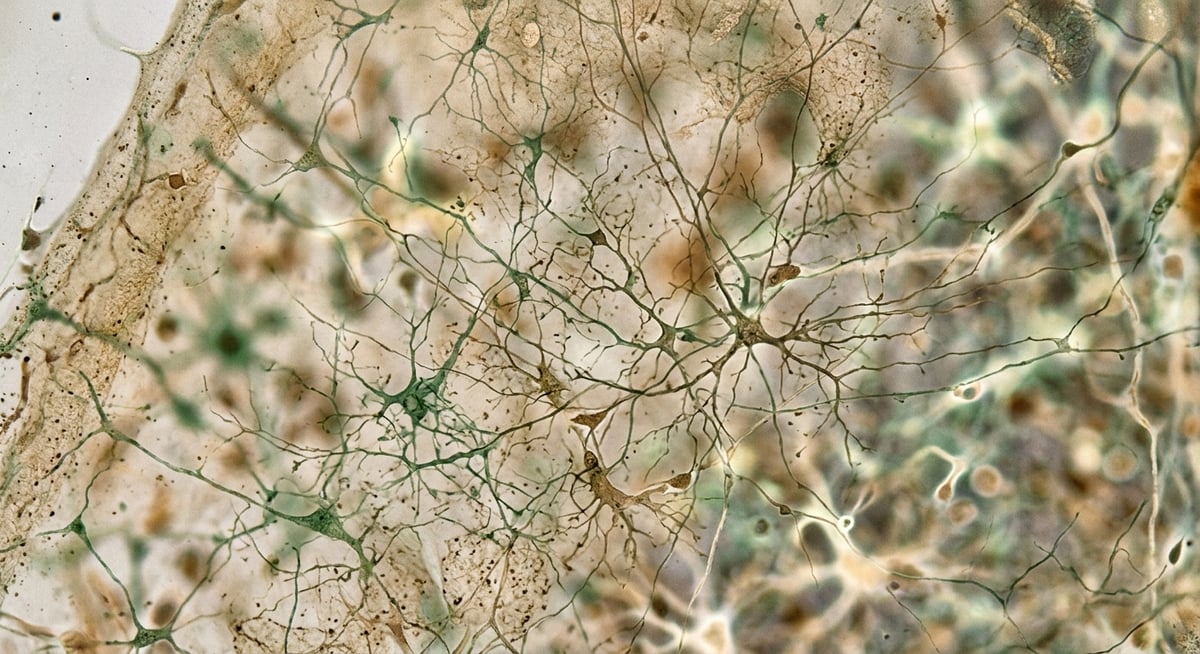
OCD can be treated effectively. Most people experience a significant reduction in symptoms with the right treatment and support.
OCD treatment
Psychological Treatment
The first-line treatment for OCD is psychological therapy, particularly Exposure and Response Prevention (ERP).
- Exposure and Response Prevention (ERP)
- Cognitive Behavioral Therapy (CBT)
- ACT & Metacognitive Therapy
- Psychoeducation & everyday coping strategies
Medical Treatment
In moderate to severe OCD, medication can be an important part of treatment—frequently in combination with therapy.
- SSRI medications
- Psychiatric evaluation
- Continuous follow-up
- Individually tailored treatment
OCD can look different
OCD is rarely about just one thing. Obsessions can revolve around many different themes – e.g. contamination, control, aggressive thoughts, sexual or religious themes, doubts about relationships or a persistent feeling that something is not quite right.
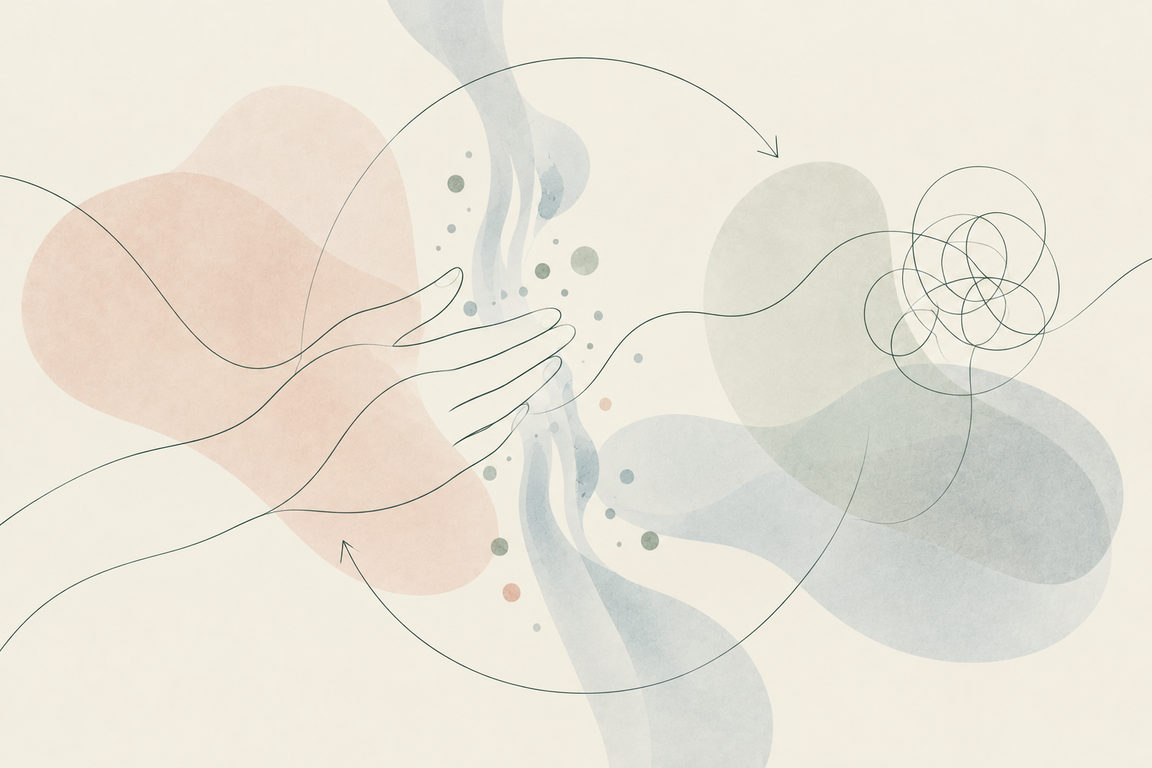
Although the content varies, the pattern is the same: unwanted thoughts create anxiety, which you try to calm with rituals or control – temporarily.
Different types of OCD
Contamination OCD
Fear of germs, illness, dirt, or chemical contamination.
Checking OCD
Repetitive checking of doors, stoves, switches, or locks.
Harm & Aggressive OCD
Unwanted, distressing intrusive thoughts of harming oneself or others.
Relationship OCD (ROCD)
Obsessive doubt regarding romantic feelings, partner compatibility, or trust.
Symmetry & Just-Right OCD
The overwhelming urge for items to align evenly or feel ‘just right’.
Scrupulosity / Moral OCD
Obsessive preoccupation with guilt, moral purity, ethics, or blasphemy.
The OCD cycle
Compulsions give short-term relief but keep the anxiety locked in a vicious cycle. Treatment aims to break it.
Obsession
Anxiety / Distress
Compulsion
Temporary Relief
Doubt & Reinforced Anxiety
Obsession
Anxiety / Distress
Compulsion
Temporary Relief
Doubt & Reinforced Anxiety
Ready to break the OCD cycle?
Take the first step towards a life with fewer obsessions and more freedom. Book an initial consultation where together we map out your challenges and make a plan for your treatment.
Book an initial consultation→